
Kayak Rolling: Essential Equipment Guide
Sep 23, 2026
Having the right equipment can make learning to roll much easier. Not because you need lots of specialist kit, but because a comfortable, well-fitted setup gives you the best chance of concentrating on the movement rather than fighting your equipment.
In general, you want to learn to roll in the boat, with the paddle and wearing the kit you would normally use on the river. That way, the skills you develop in practice are the same ones you will rely on when you eventually need your roll in real conditions.
There are, however, a few things worth paying attention to.
Get your kayak set up properly
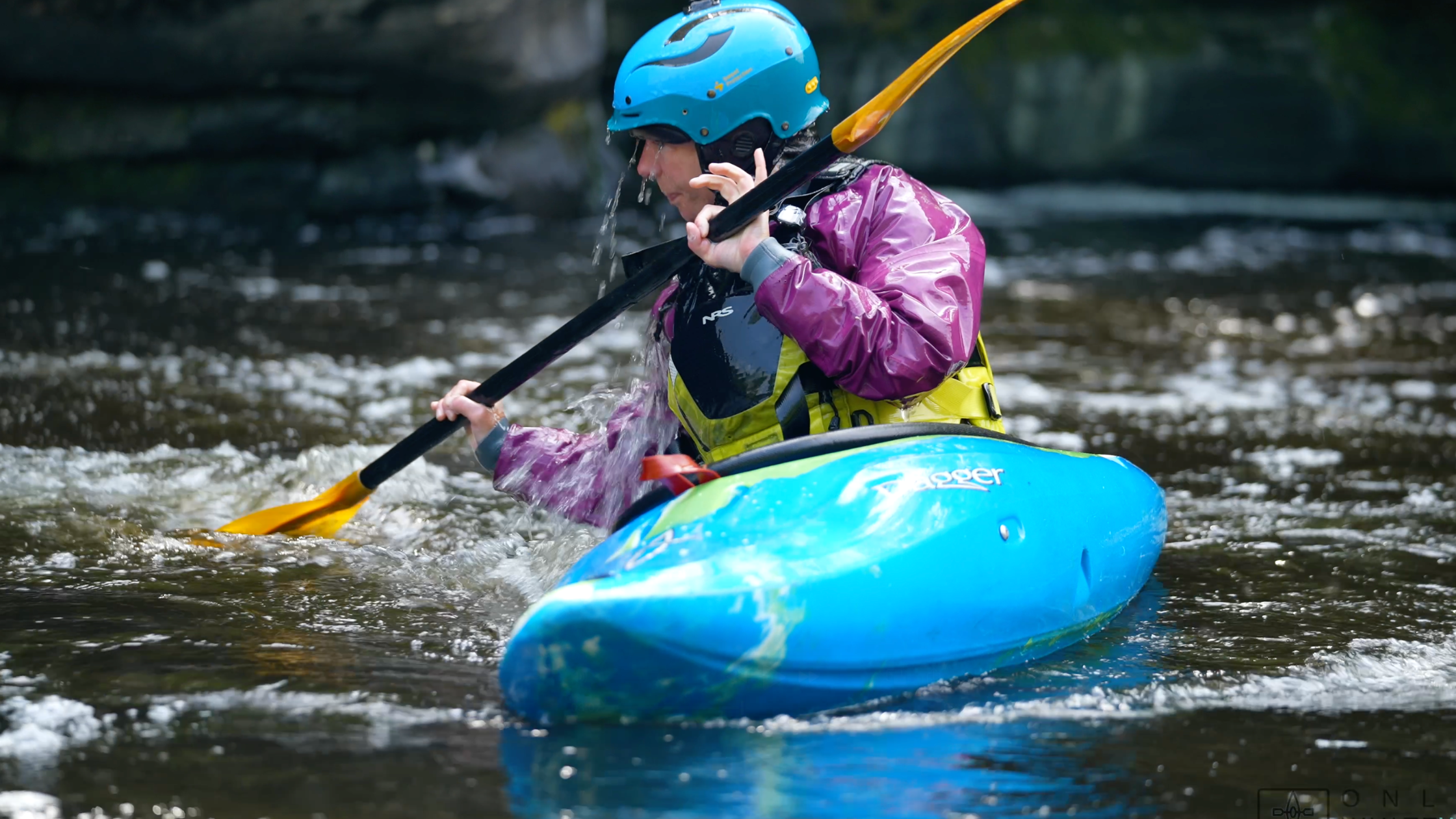
Your kayak should feel like an extension of your body. If you are sliding around inside the boat, it becomes much harder to control the kayak and transfer movement from your body into the hull.
Your feet, knees and hips should all have good contact with the boat, without anything feeling excessively tight or uncomfortable. Take some time to adjust your footrests, seat and hip pads so that you feel secure and connected.
This is particularly important when you are learning. A good fit means that when you move your hips, knees or torso, the boat responds with you. If you are moving around inside the cockpit, you can end up compensating for the poor fit rather than learning the movement you actually need.
Ideally, learn in the boat you normally paddle. There is certainly value in trying different boats, but when you are developing your first reliable roll, familiarity is your friend.
Use the paddle you normally paddle with
There is no need to find a special paddle for learning to roll.
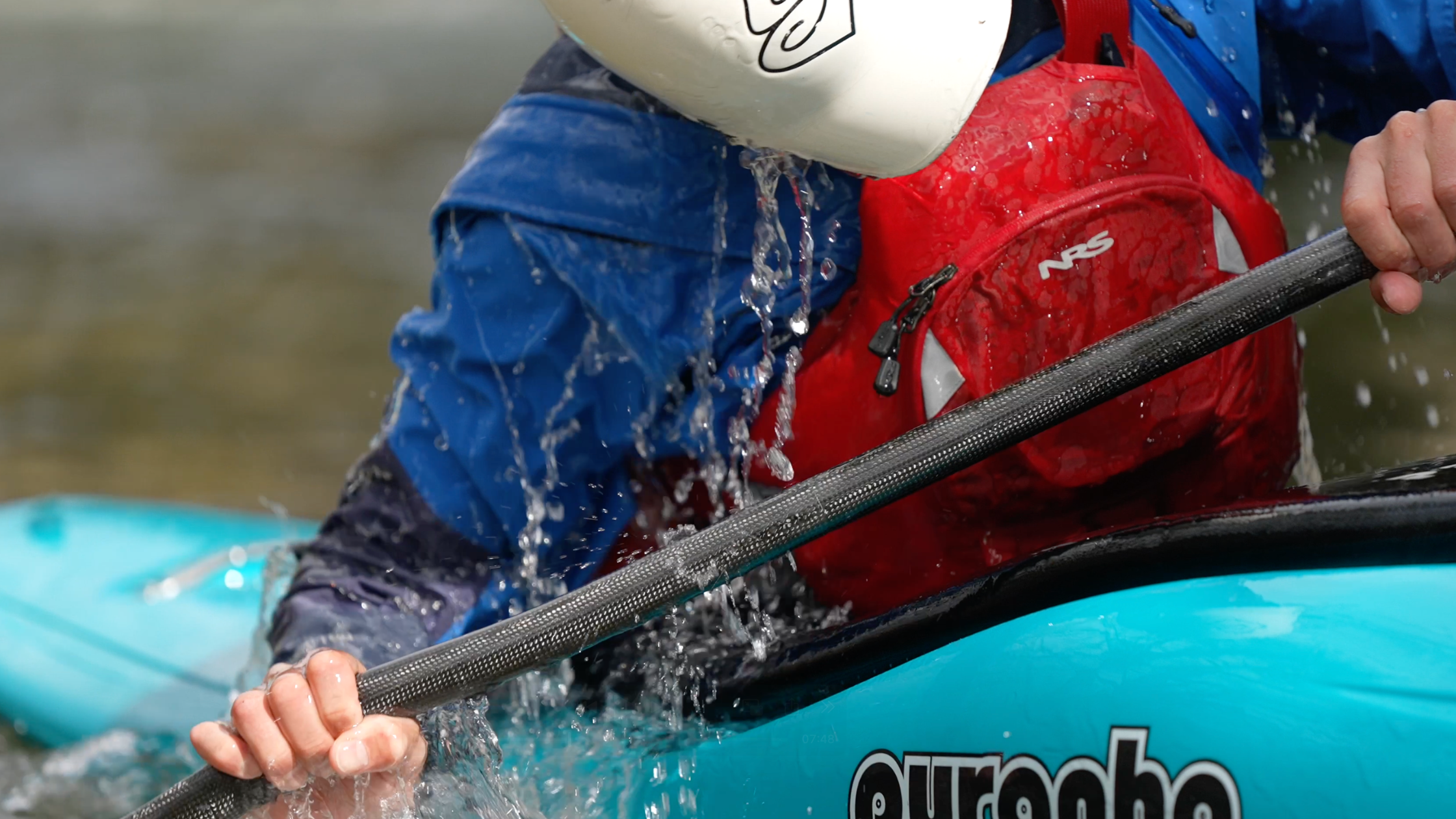
Use the paddle you normally use for white water and spend time getting comfortable with how it moves through the water. Your aim is not to find a paddle that makes the roll easy, but to learn how to use the paddle you will actually have with you on the river.
This also helps avoid developing habits that only work with a particular paddle, grip or blade position.
You may come across different rolling techniques, extended paddle positions and other variations while learning. These can all have their place, but your basic roll should ultimately work with your normal grip and normal paddling setup.
Rolling aids can be really useful
Rolling aids can be particularly helpful when you are first learning.
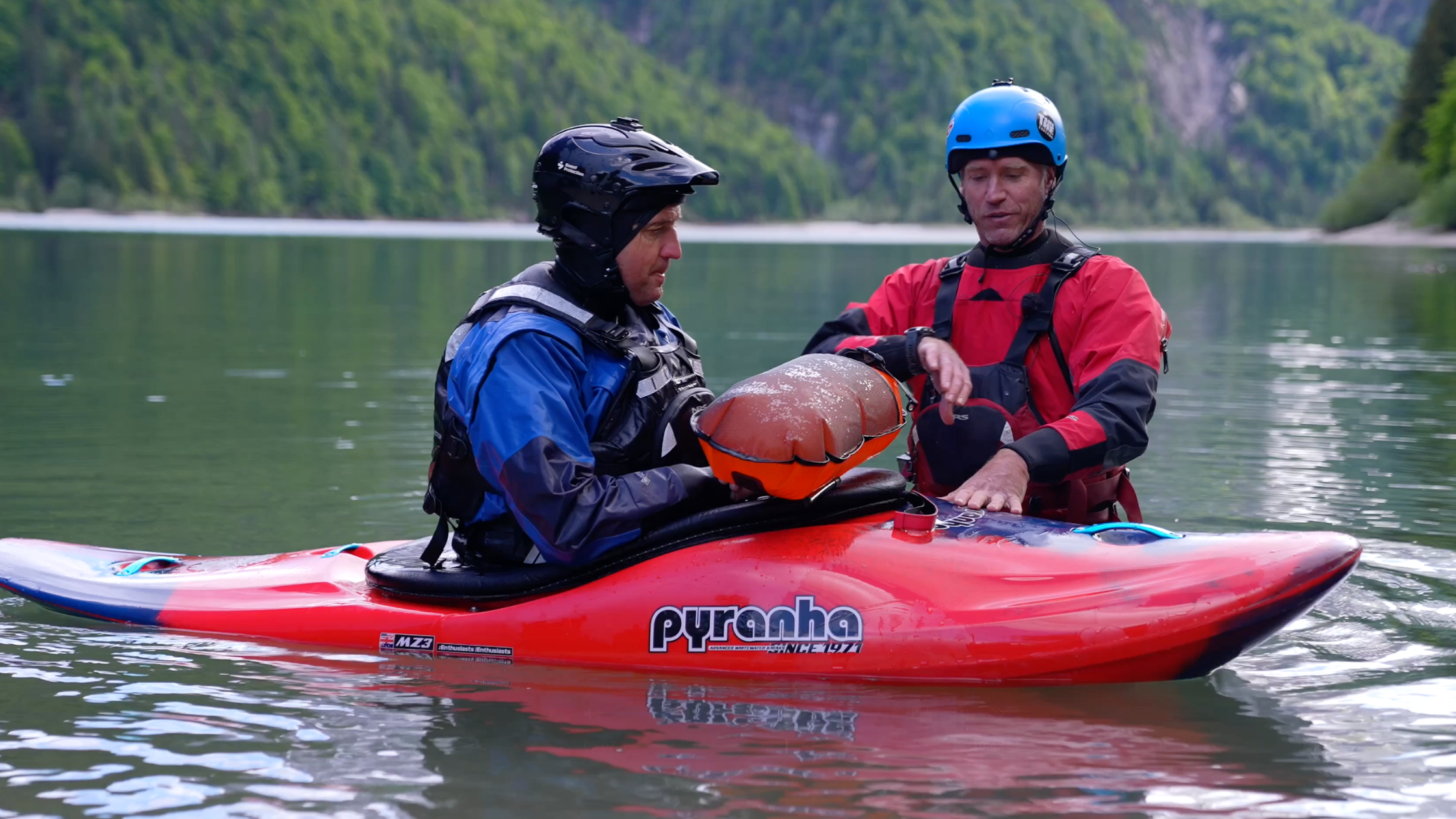
An Avataq, for example, can give you additional support while you work on the movement of your body and a paddle float can let you get a better feel for what the paddle is doing in the water.
The important thing is to use these as learning tools rather than something to become dependent on.
A rolling aid can slow things down and give you an opportunity to concentrate on one part of the movement at a time. You can feel how your body position affects the boat, how the paddle moves through the water and what happens when you keep your head and body in the right position.
For example, if you are struggling to understand how to create support with the paddle, a paddle float can give you enough stability to experiment with the movement without immediately having to complete the whole roll.
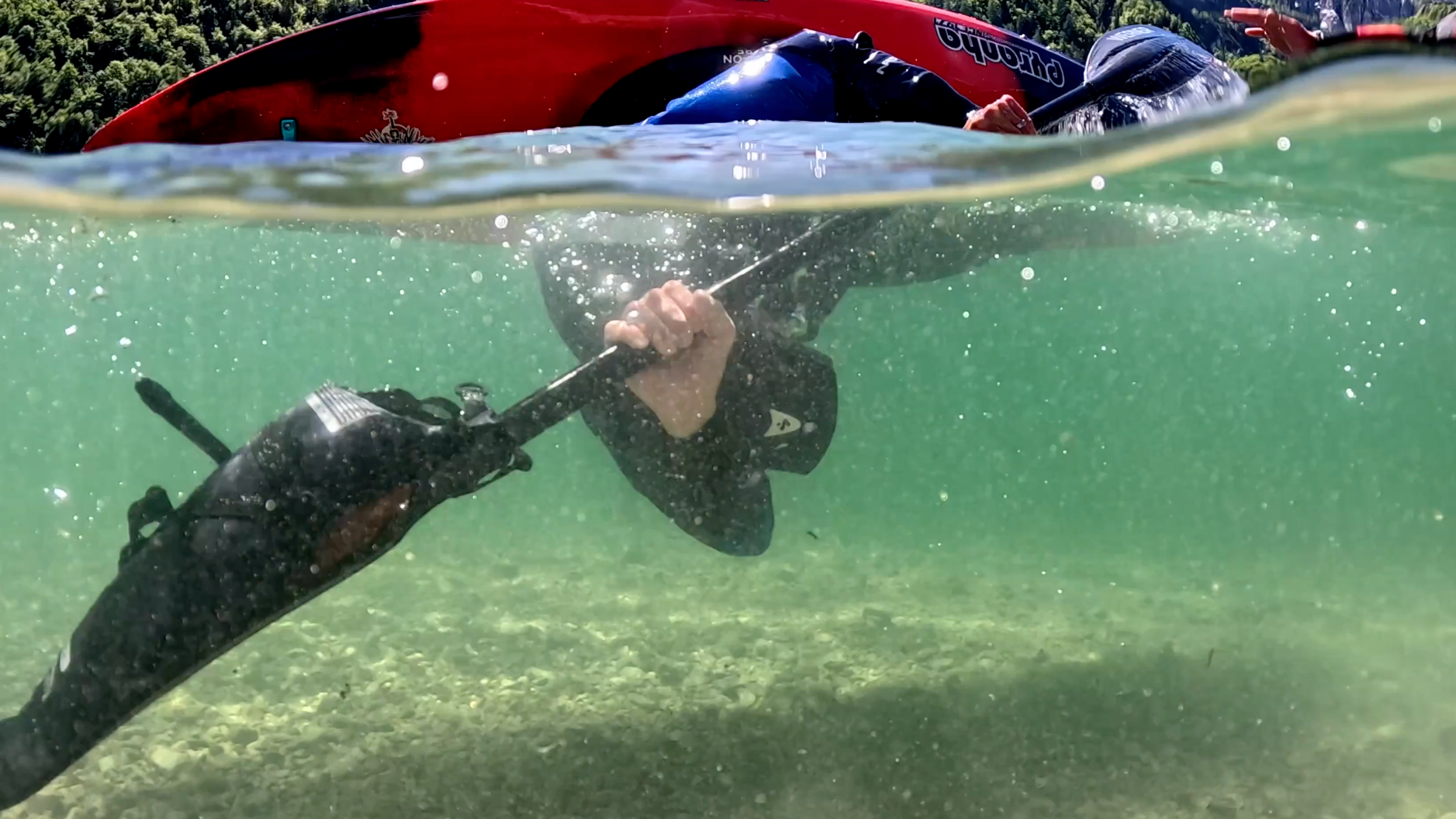
This can be particularly useful when working on the relationship between the paddle and your body. Rather than trying to muscle yourself upright, you can start to feel how the paddle provides support while your body and boat move underneath it.
As you become more comfortable, gradually reduce your reliance on the aid by letting the air out, until you can reproduce the same movement with your normal paddle.
The aim isn't simply to get upright with the aid. It is to use it to understand the movement, then transfer that understanding to your normal roll.
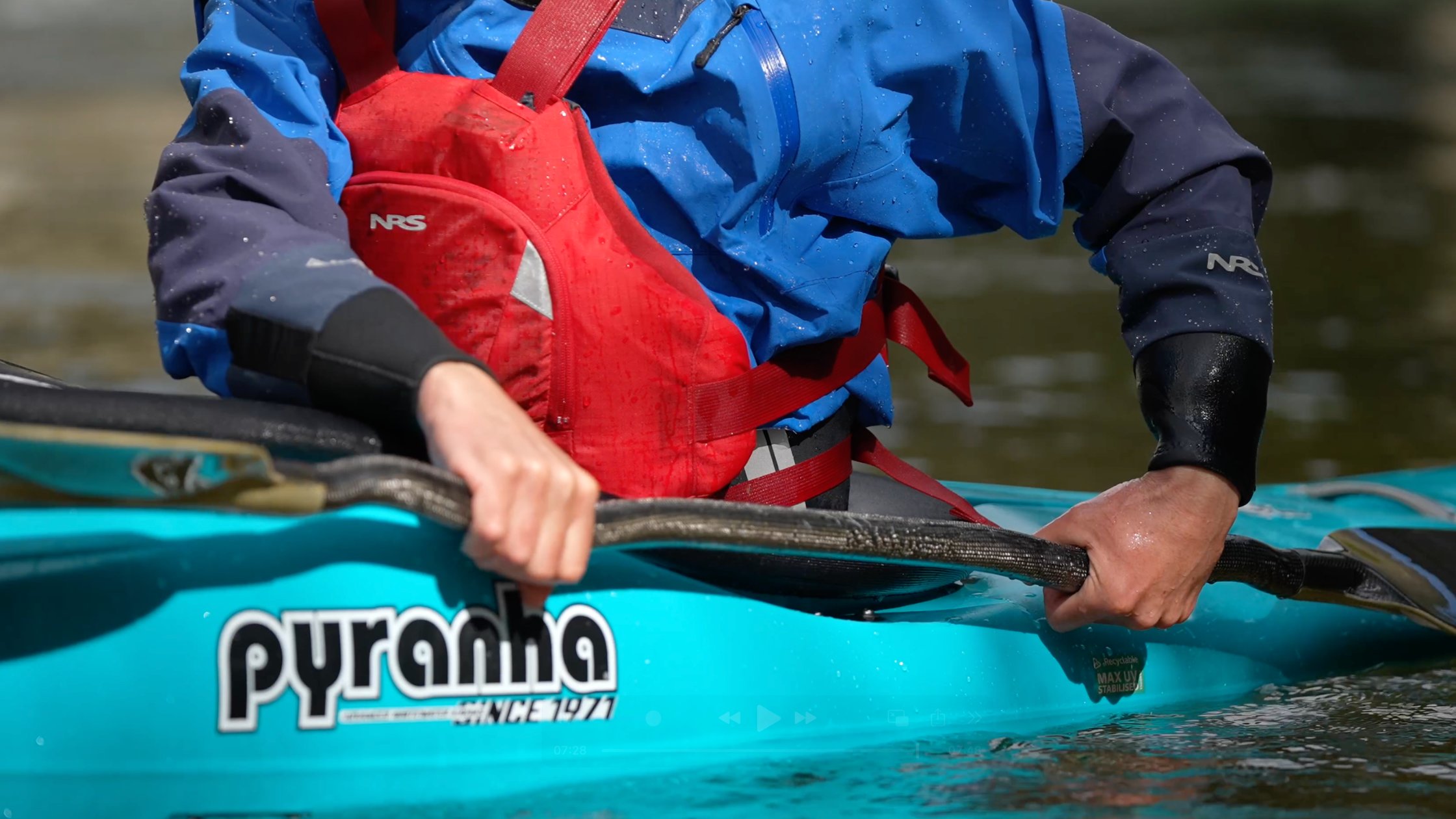
Practise in the kit you actually paddle in
It is common to start learning in a swimming pool wearing minimal clothing. There is nothing wrong with this, and a warm pool can be a great environment for getting comfortable being upside down.
But eventually you need to practise in the equipment you actually use on the river.
That might mean your:
* Dry suit or wetsuit
* Buoyancy aid
* Helmet
* Normal paddle
* Normal kayak
All of these things change how the roll feels slightly. Your clothing can affect your movement, your buoyancy aid can alter how your body sits in the water, and your normal paddling kit may feel quite different from what you were wearing in the pool.
The more familiar you are with this, the less likely you are to be surprised when you need to roll for real.
Small things that can make a difference
There are a few other bits of kit that aren't essential, but can make repeated rolling more comfortable.
Nose clips
These can be useful if getting water up your nose makes you tense or rush the roll. Being able to stay relaxed underwater gives you more time to concentrate on what you are doing.
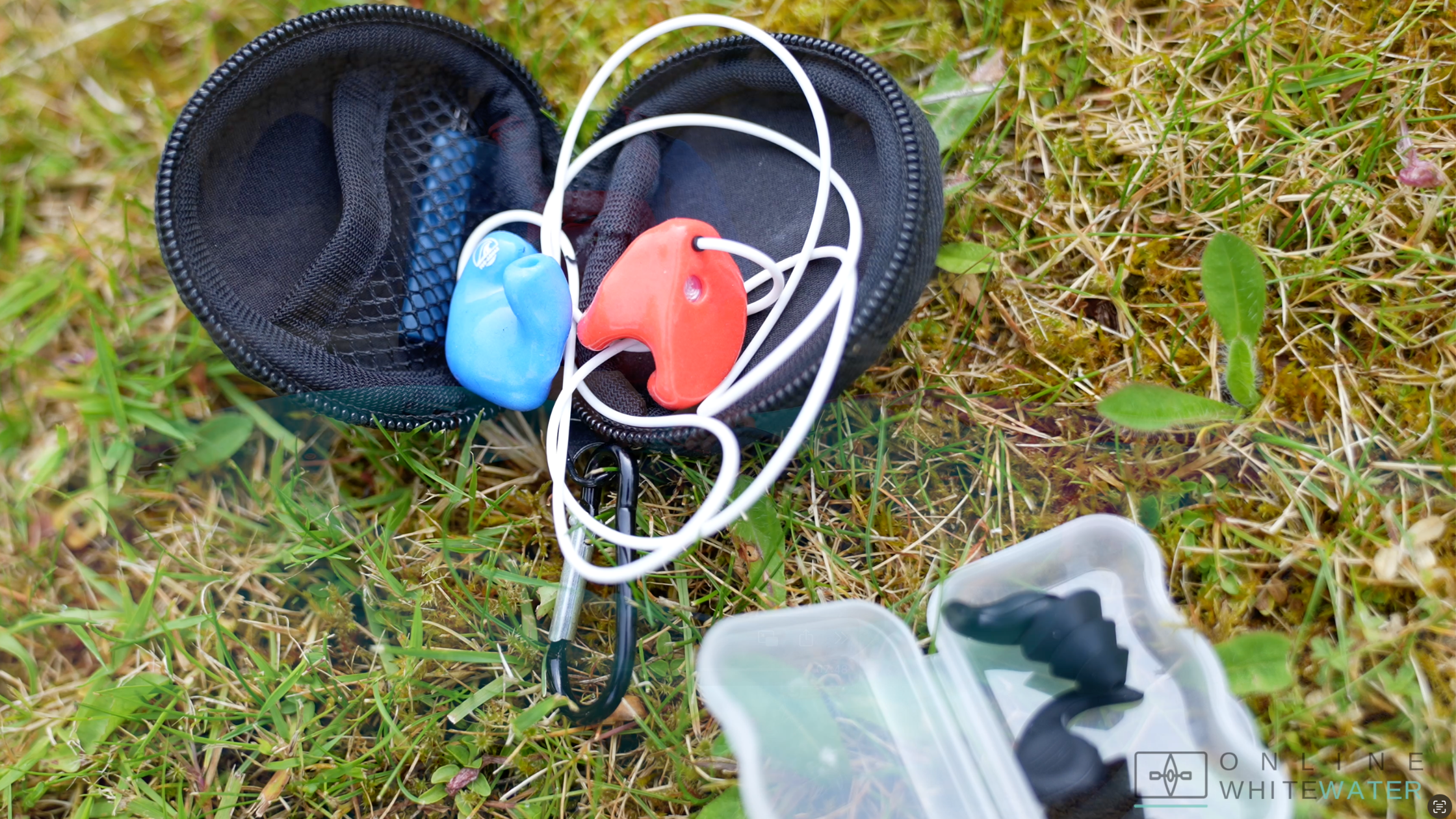
Ear protection
Repeated immersion, particularly in cold water, can be uncomfortable for some people. Simple ear protection can help if your ears are sensitive to cold water.
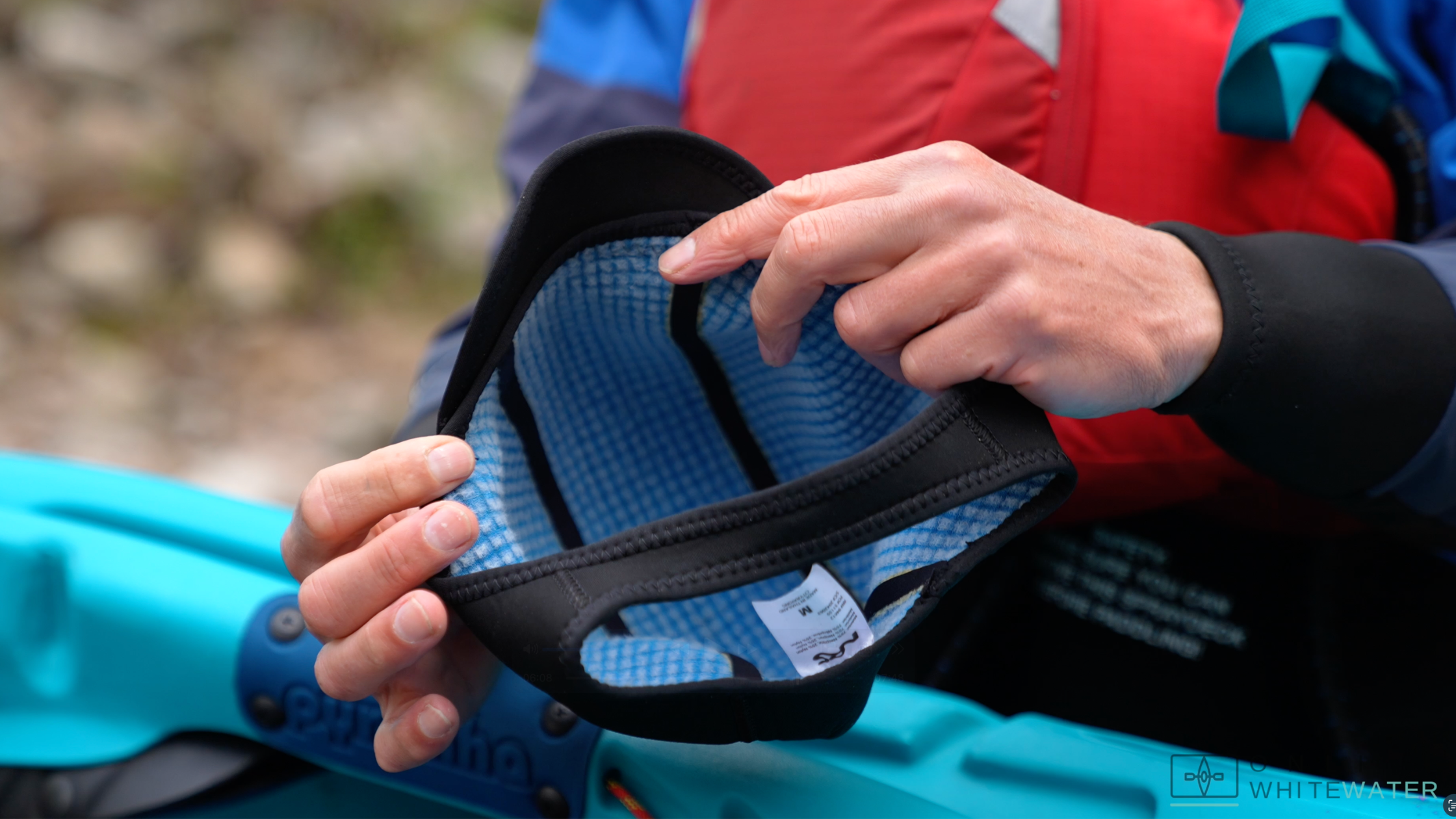
Neoprene skull cap
If you are practising in cold water, keeping your head warm can make a surprisingly big difference. Being cold tends to make people rush, whereas staying warm makes it much easier to slow down and concentrate on the movement.
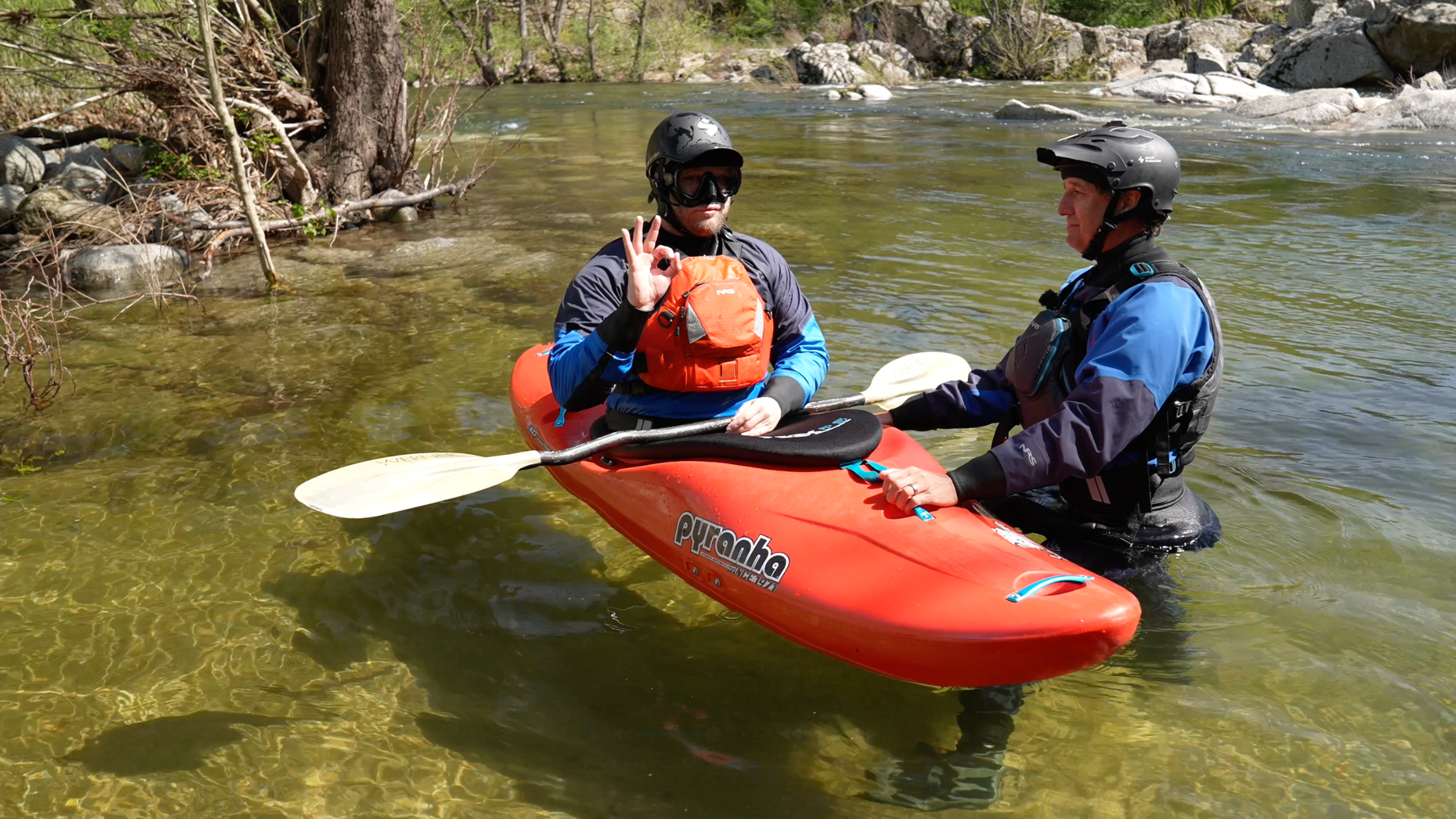
Mask
A mask can sometimes be useful during specific training exercises, particularly when you are trying to understand what your paddle is doing underwater. It can give you the opportunity to look at your paddle and body position rather than relying entirely on feel.
It is a training aid rather than something you should need for your normal roll.
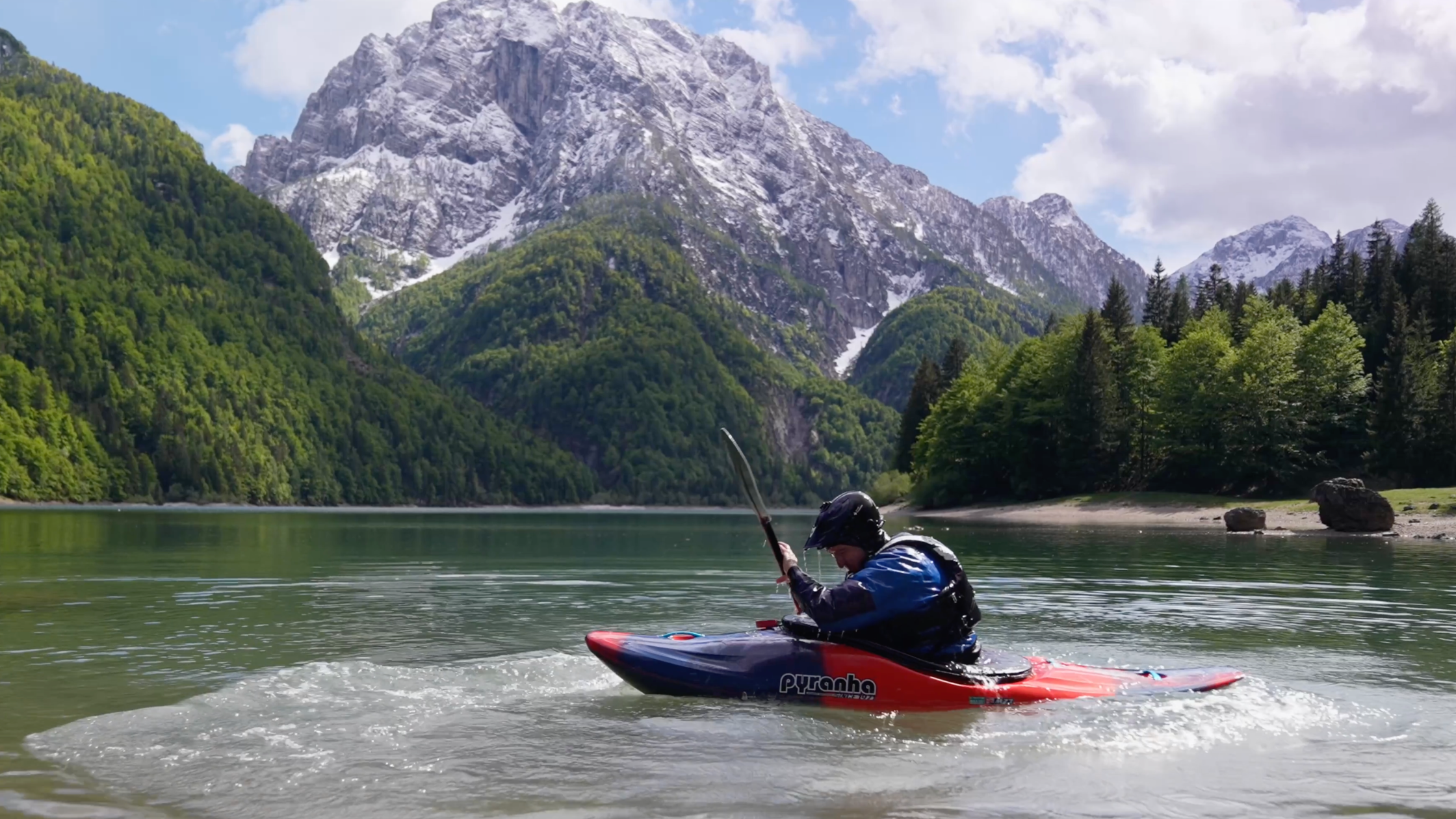
Stay warm
Learning to roll takes concentration, and it is difficult to concentrate when you are cold.
If you are practising in cold water, make sure you have enough insulation and take the time to warm yourself up between attempts. Paddle around, move your body and avoid spending long periods sitting still in the water.
When you are warm and relaxed, you can take your time with the movement. When you are cold, tired and uncomfortable, it is very easy to start rushing and trying to force yourself upright.
That is rarely what you want when you are learning.
Keep your practice realistic
There is a balance here.
Early on, there is nothing wrong with making things easier. A warm pool, a rolling aid or some additional support can all help you understand the movement and build confidence.
But as your roll develops, start making the practice look more like the paddling you actually do.
Use your normal boat. Use your normal paddle. Wear your normal kit. Practise when you are a little tired and, eventually, in the sorts of conditions where you are likely to need the roll.
The aim is not to have a perfect pool roll. It is to develop a movement that you can rely on when you are upside down in the middle of a river.
The equipment is there to help you learn
You don't need a huge amount of specialist equipment to learn to roll. A well-fitted boat, your normal paddle and suitable clothing will take you a long way.
Rolling aids can then be useful for breaking the movement down, helping you understand how the paddle creates support and giving you the confidence to work on your body position without having to force the entire roll.
Use them to understand the movement, then gradually take them away.
Ultimately, the best equipment for learning to roll is the equipment that allows you to relax, stay comfortable and pay attention to what your body and paddle are actually doing.
Ready to develop your roll?
Our Rolling Course takes you through practical progressions to help you build your roll from the fundamentals, develop consistency and confidence, and then take those skills onto the river. Once you have the foundations in place, you can start exploring other techniques and variations, including the Back Deck Roll and Reverse Screw Roll.
Whether you’re learning your first roll or looking to make your existing roll more reliable, the course gives you a structured way to practise, understand the movements and keep progressing.
Start building a more reliable roll with Online White Water’s Rolling Course.
Stay connected with news and updates!
Join our mailing list to receive the latest news and updates from Online White Water
We hate SPAM. We will never sell your information, for any reason.
